
The 60 Second Summary: Healthy-looking bulls can be temporarily firing blanks — and IBR is one reason why. A real-world case study from a New Zealand vet practice showed entire bull teams producing no viable sperm after picking up the IBR virus, despite looking completely normal. The good news: it's preventable, and the fix is simple.
Picture this. Your bulls look great. Good condition, keen libido, no obvious health issues. You put them out with the herd and assume the job's getting done.
But under the surface, something might be going wrong — and you'd have no way of knowing until empty cows show up at pregnancy testing months later.
That's exactly what happened on two New Zealand farms, documented in a case study by vet Bruce Askin of Totally Vets in Feilding. In both cases, routine fertility testing turned up something alarming: entire teams of bulls were producing no sperm at all (a condition called azoospermia). The culprit turned out to be IBR.
Farm 1 (2011): Four young Jersey bulls were tested two weeks after going out with around 100 heifers. All four were producing no sperm. They looked perfectly healthy — a couple just had a slightly raised temperature. Testing confirmed the IBR virus was present in their semen, and several heifers in the mob had also been exposed to IBR without showing any signs.
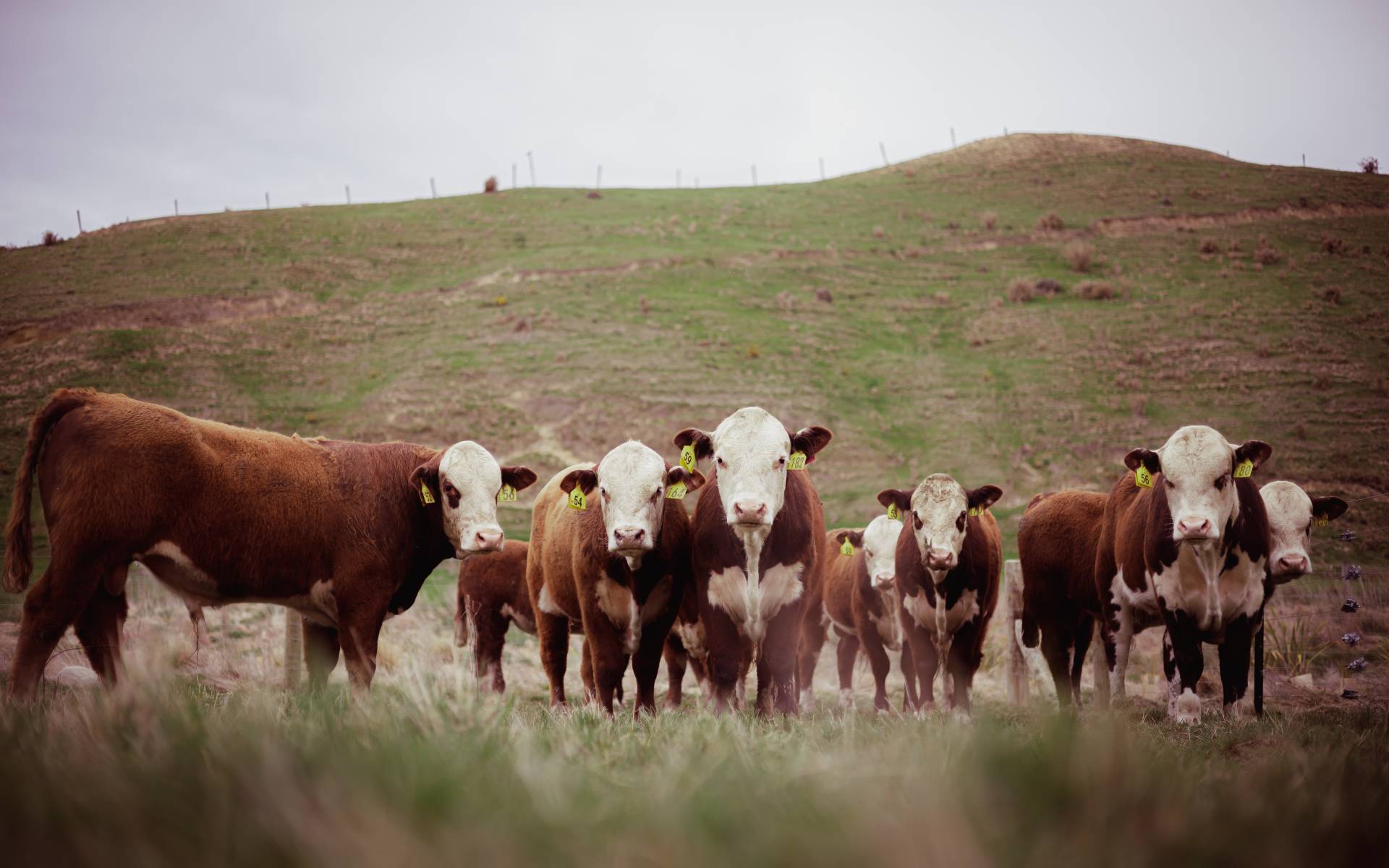
Farm 2 (2012): Eight Hereford bulls had been on farm for three weeks but hadn't even met the cows yet. Five of the eight were already producing no sperm, and within two more weeks, all eight had shut down completely — again, with the IBR virus confirmed in their semen.
The pattern was the same on both farms: naive bulls (ones that hadn't met the virus before) were introduced into an environment where IBR was circulating, caught it, and went temporarily infertile.
The infertility was temporary. In both cases, the bulls bounced back to normal fertility after roughly five weeks of rest. The infection caused a short fever that damaged the sperm being made at the time, but once those were cleared out and fresh sperm came through, the bulls were back to normal.
Even better — because the vet caught it through testing, both farms managed the situation cleverly. They brought in a fresh replacement team to keep mating ticking over while the original bulls recovered, then swapped the recovered bulls back in.
The result? Both herds still hit excellent pregnancy rates — around 90% in calf on Farm 1, with no obvious gaps. Disaster averted, but only because someone went looking.
The scary part isn't this case study — it's all the times it goes undetected.
As Askin points out, Farm 1 only got caught because the bulls happened to be fertility tested two weeks into working, "more by luck than judgement." If no one had checked, the bulls would have quietly recovered on their own, and the farmer would have been left with a mystery batch of empty cows and no explanation.
How often is this happening on farms where bulls aren't being tested? Nobody really knows. And that's the point.
The advice that came out of these cases is refreshingly simple and practical:
A bull can look 100% healthy and still be temporarily infertile. IBR is one of the hidden reasons why — and it can take out an entire team at once, right when you need them most. Vaccinating, planning ahead, and testing are cheap insurance against a very expensive empty rate.
This article is based on the case study "IBR causing infertility in bulls: a case study" by B Askin (Totally Vets Ltd, Feilding), published in the Proceedings of the New Zealand Veterinary Association Conference, 2013.
Talk to your vet about a BVD and IBR vaccination and bull management plan that suits your herd.