
RECOGNISING IBR ON-FARM
When IBR does show clinically, the signs are reasonably distinctive.
Watch for:

IBR (Bovine Herpesvirus-1) is present on the majority of New Zealand dairy farms — yet most farmers never see it. This is what makes IBR worth understanding. Read on to learn more about the disease and its impact on NZ farms.
• Like all herpesviruses, IBR has one defining trick: once a cow is infected, she's infected for life. The virus stays dormant in nerve cells.
• Stress can reactivate the virus to start shedding and infecting other cattle.
• Bulls are susceptible to IBR. An infection of IBR can make a bull sterile for several months.
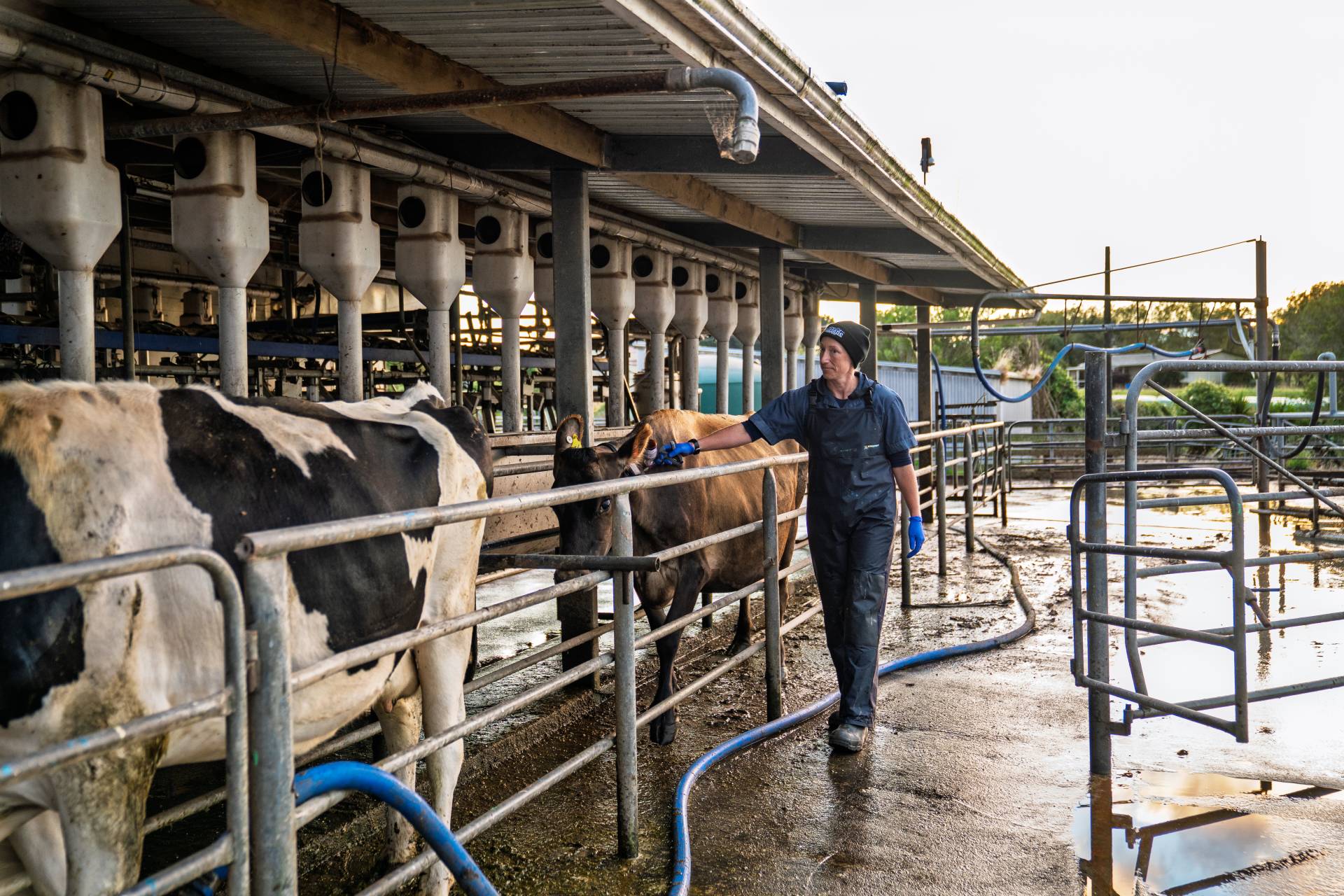
The biggest mistake farmers make with IBR is assuming no visible disease means no problem. Subclinical infection is the rule, not the exception — and it's quietly eroding fertility, milk production, and heifer performance on most affected farms.
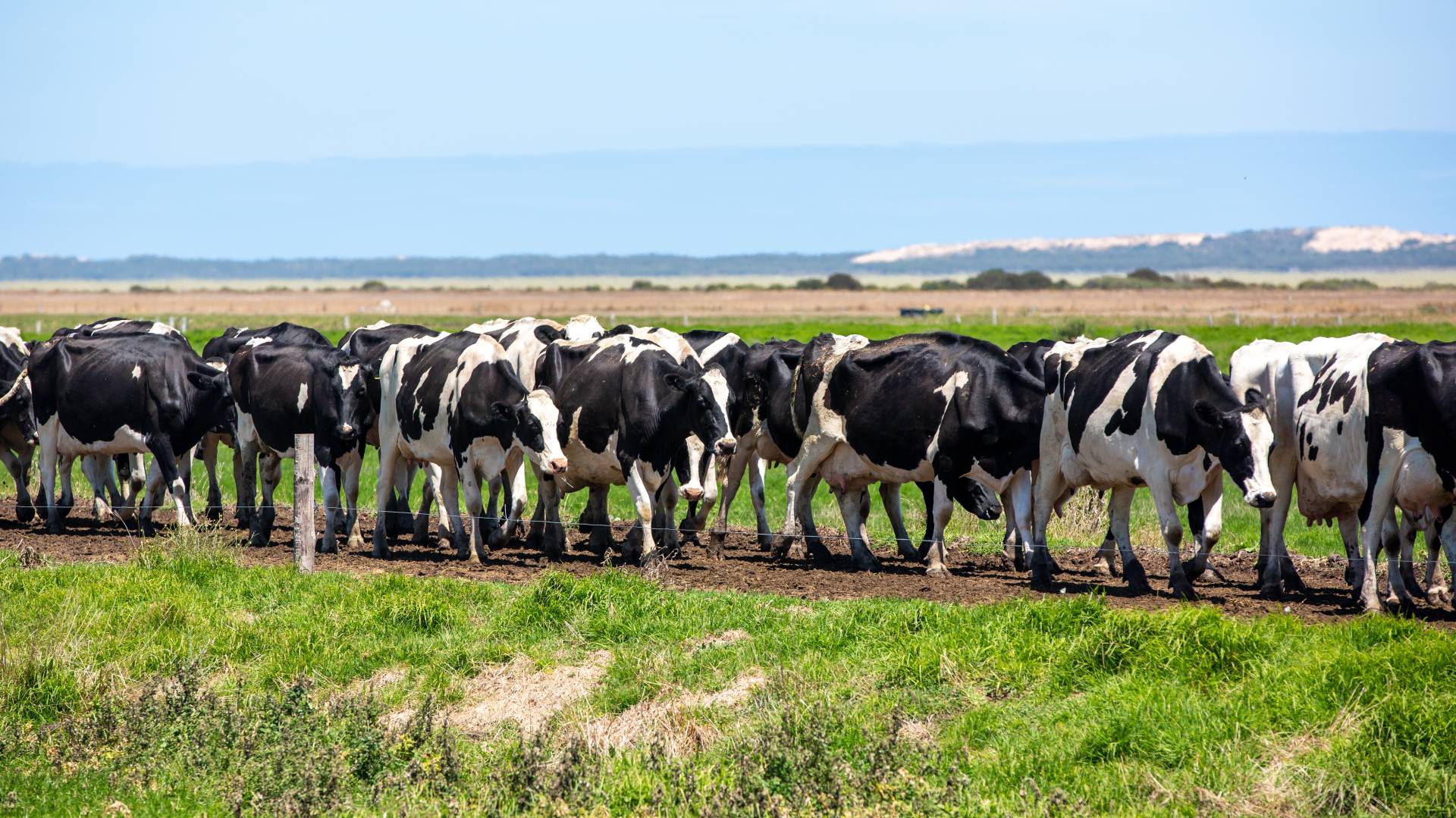
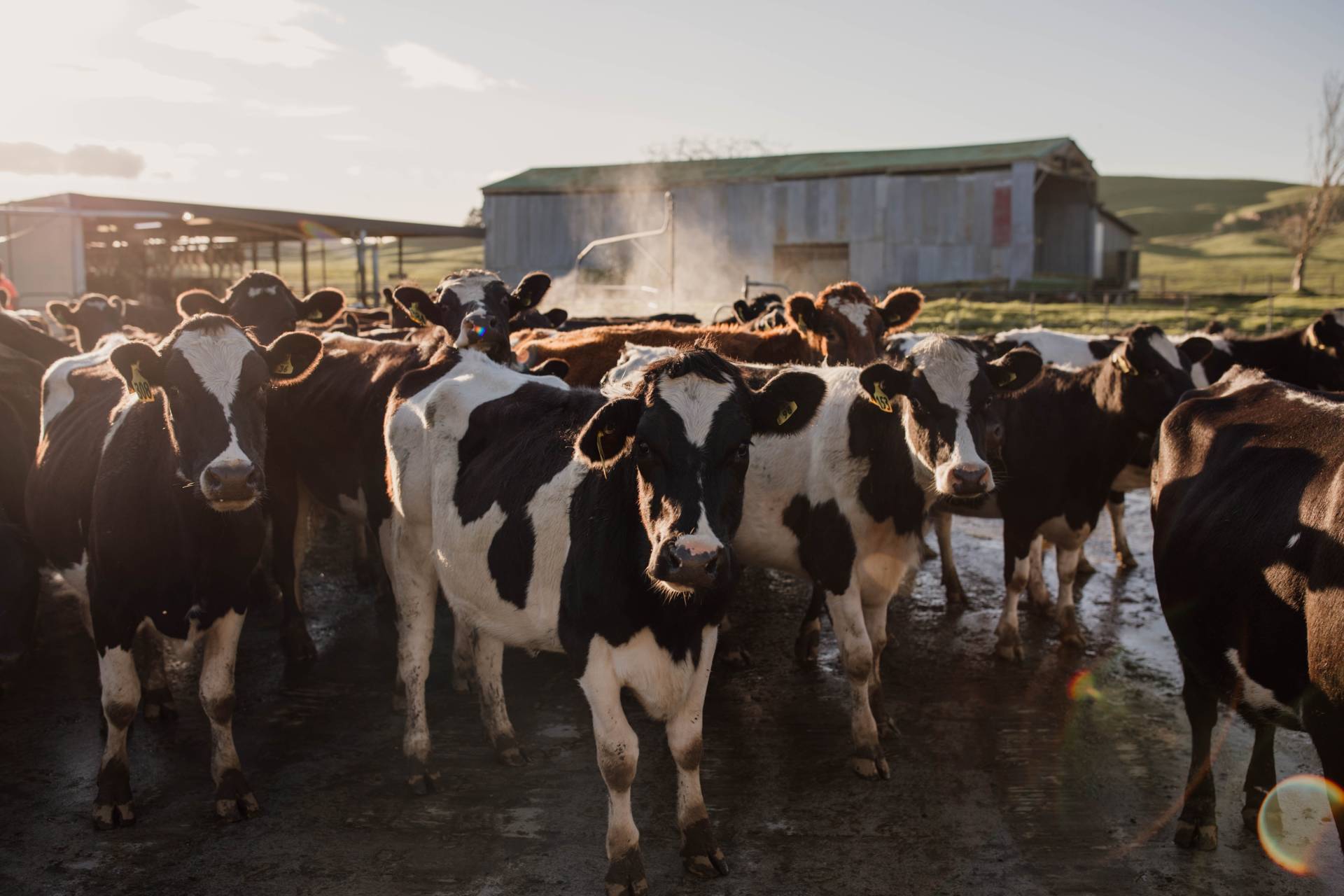
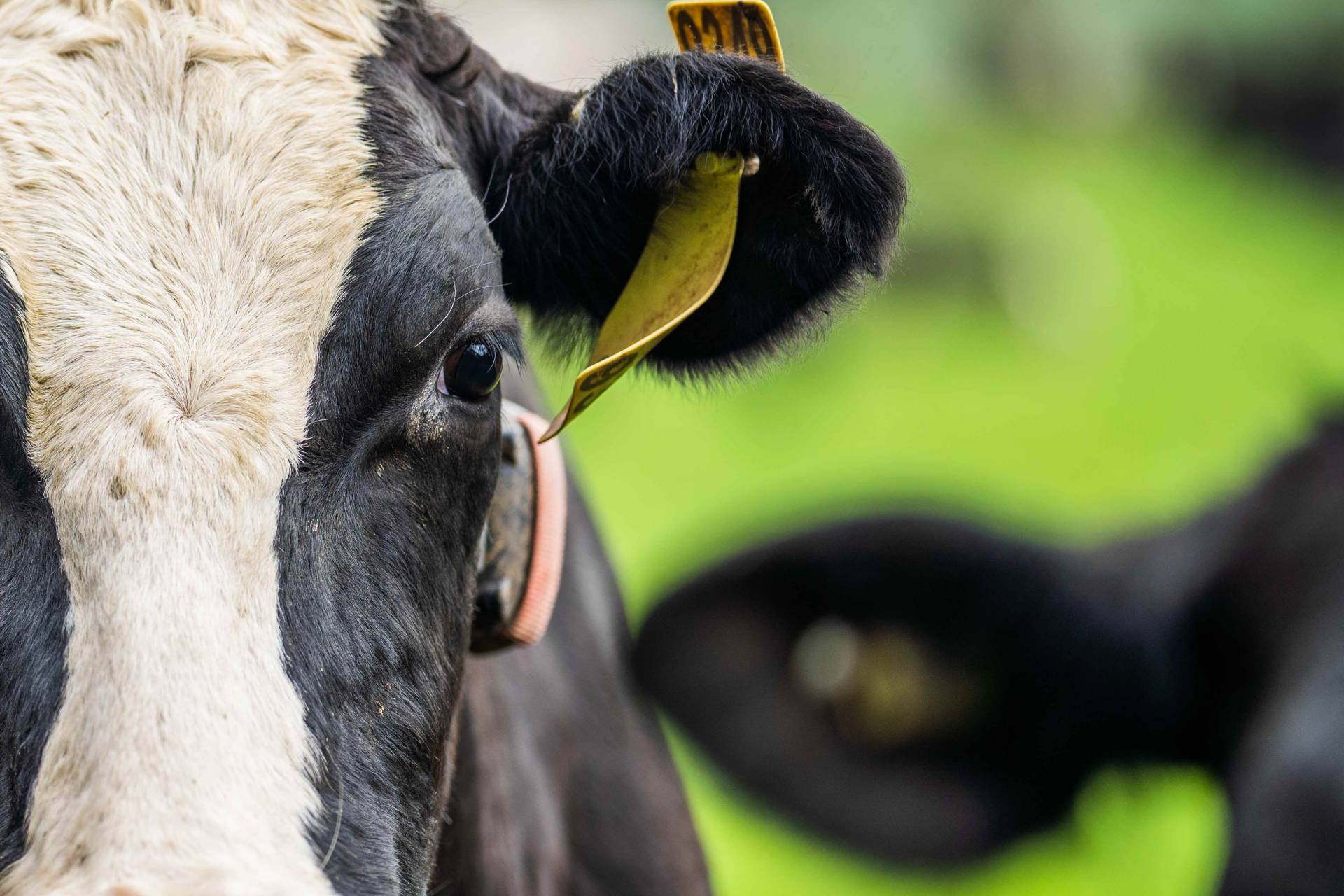
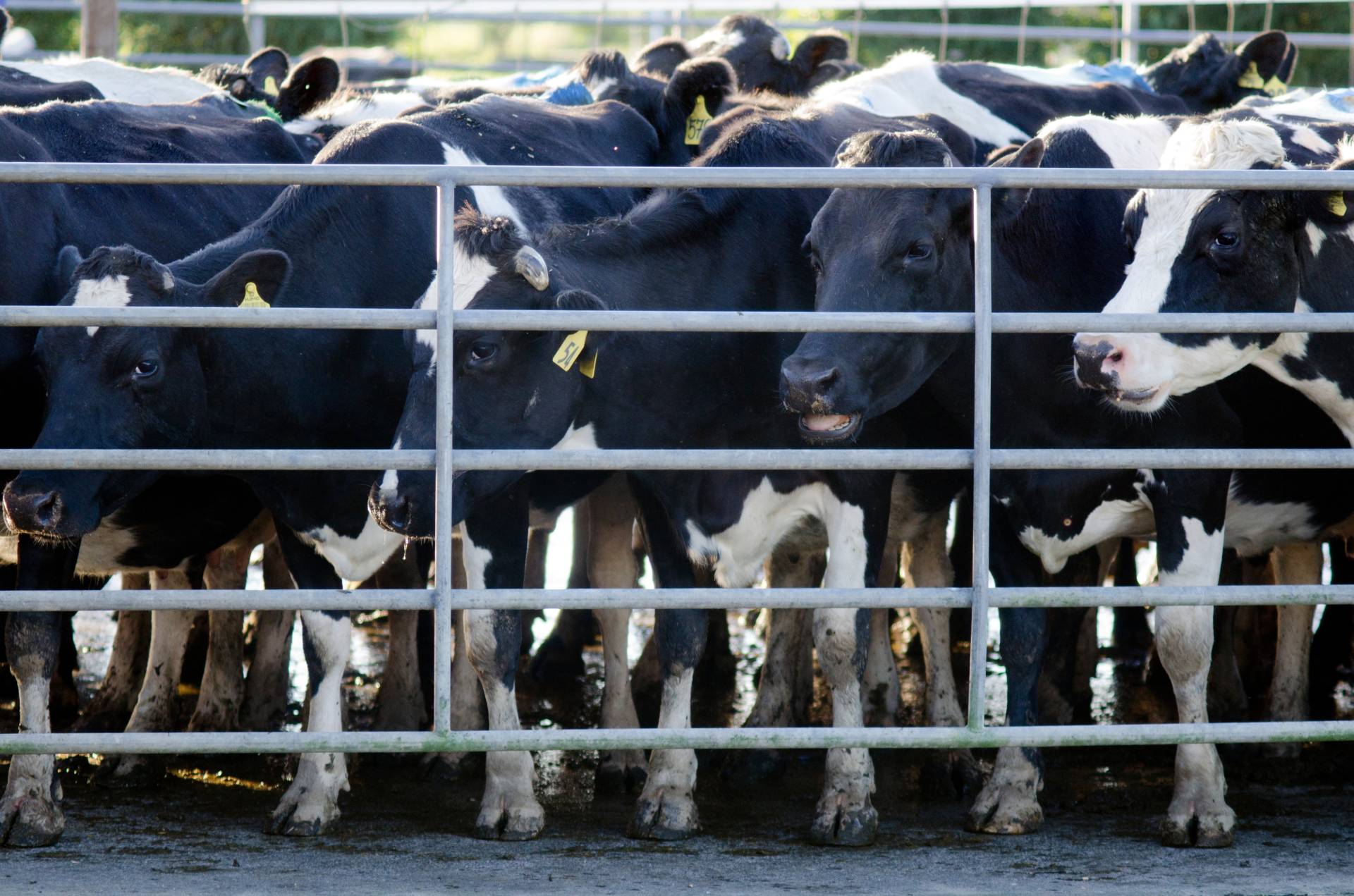
Important caveat: most New Zealand IBR infections show no signs at all.
Absence of symptoms does not mean absence of virus. If you're seeing any of the below in more than the odd individual animal, or if heifers are dropping milk in their first weeks of lactation for no obvious reason - call your vet.
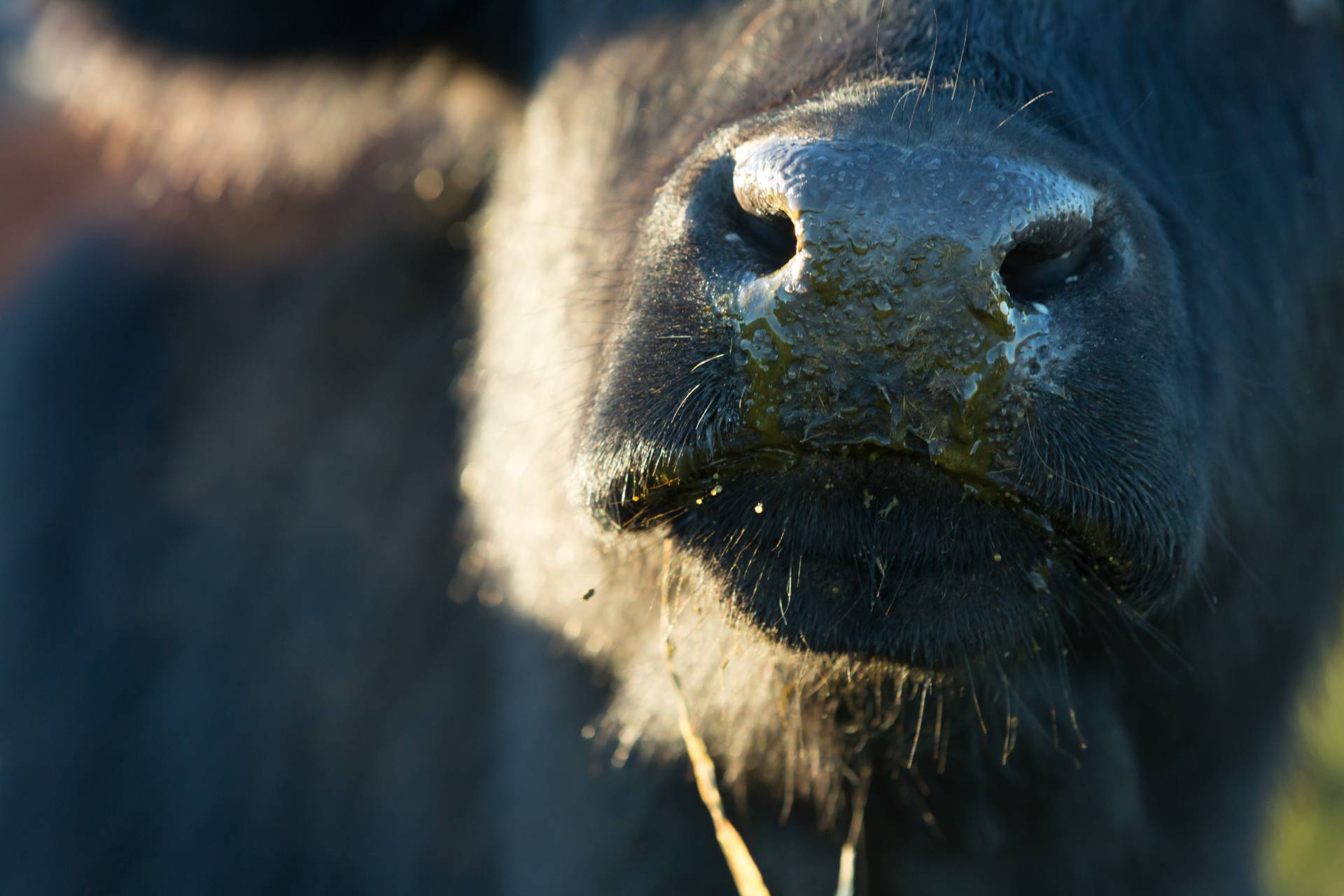
•Nasal discharge — initially clear, becoming thicker and pus-like
•Red, inflamed muzzle — the original "red nose"
•Conjunctivitis — red, watery eyes, sometimes mistaken for pink eye
•Coughing and laboured breathing
•Fever — often 40°C or higher
•Loss of appetite and milk drop
You can't diagnose IBR by eye alone, and you don't have to. Several testing options are available through your vet. The best prevention and control is by having a vet led vaccination programme.


No. IBR is endemic in New Zealand and is not a notifiable disease. Management is at the herd and vet level.
No. BoHV-1 is a cattle-specific virus and does not infect humans. Milk from IBR-positive cows is safe to drink.
No. Once cows are infected, they remain infected for life. Without active intervention, prevalence in a closed herd tends to drift upward over time as new replacements meet the virus.
This depends on the vaccine product and protocol. Most IBR vaccines are designed for annual boosting. Your vet will advise on the specific product and timing for your herd.
Reputable AI companies screen bulls and semen for BoHV-1. Natural mating with unscreened bulls — particularly leased or shared bulls — is a much higher risk pathway.
No. There is no treatment that eliminates the virus from an infected animal. However vaccination of animals that are already infected is recommended as it can reduce the intensity of an outbreak and reduce the potential spread.
Treatment during acute outbreaks focuses on supportive care and managing secondary bacterial infections.
Now i know about IBR, what should I do?